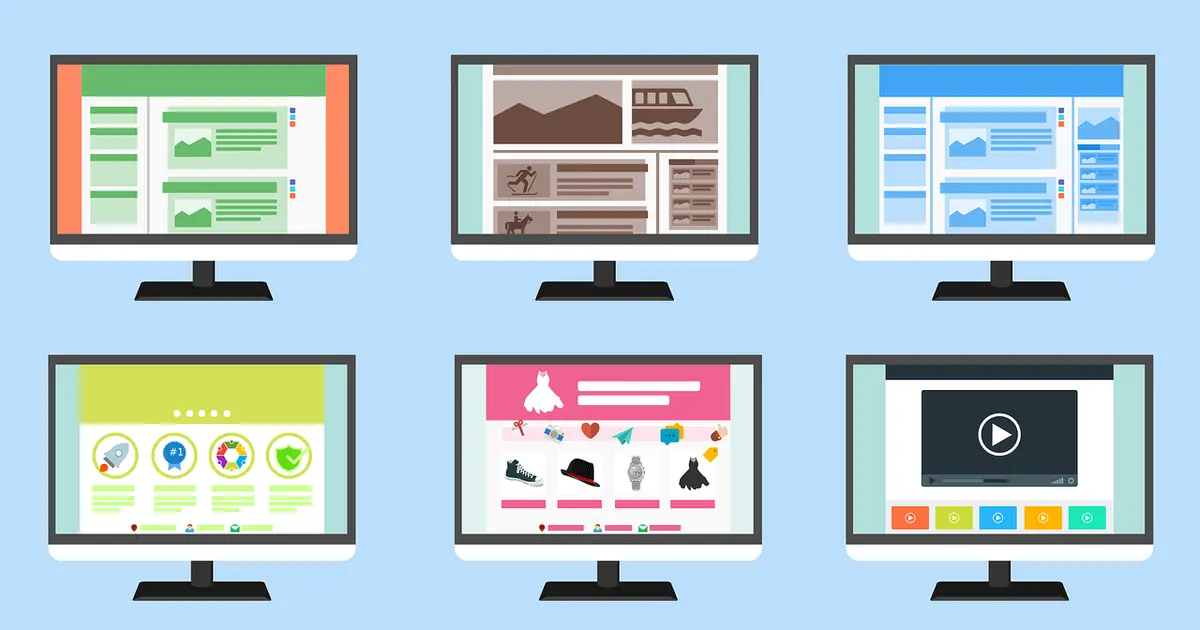
In today’s fast-paced digital world, businesses must maintain a strong online presence to thrive. A crucial component of that online presence is a well-designed website. The days when websites merely served as digital brochures are long gone. Today, a website is often the first touchpoint between a business and its potential customers. If a website fails to impress, visitors will quickly move on to competitors. But how does web design directly impact sales? This article explores why professional web design is the key to increasing sales and how it influences customer behavior and business growth.
- First Impressions Matter: The Gateway to Trust
The adage “You never get a second chance to make a first impression” rings especially true in web design. Studies show that it takes only 50 milliseconds for users to form an opinion about a website. This snap judgment is often based on the visual aesthetics and layout of the site. A poorly designed website can instantly erode trust, regardless of how excellent the products or services may be.
Why first impressions affect sales
When a website looks outdated, cluttered, or unprofessional, potential customers may question the credibility of the business. This lack of trust translates directly into lost sales opportunities. Conversely, a sleek, modern, and professional website instills confidence. It reassures visitors that the business is legitimate, organized, and trustworthy—making them more likely to explore further and, ultimately, make a purchase.
- User Experience (UX) Drives Conversion Rates
User experience, or UX, is a critical aspect of professional web design that can dramatically influence conversion rates. A well-designed website prioritizes the user journey, making it easy for visitors to navigate, find information, and complete desired actions, such as making a purchase or filling out a contact form.
How UX boosts sales
A seamless user experience reduces friction, which is one of the primary reasons users abandon websites without converting. Factors like confusing navigation, slow load times, and cluttered layouts can frustrate users and lead to high bounce rates. In contrast, a website that is intuitive, fast, and easy to navigate encourages users to stay longer, explore more, and eventually convert. This is particularly important for e-commerce sites, where a streamlined checkout process can significantly reduce cart abandonment and increase sales.
Mobile Optimization and Sales
In today’s mobile-first world, ensuring that a website is fully responsive across all devices is a must. Mobile traffic now accounts for over half of all internet usage, and a website that isn’t mobile-friendly risks losing a substantial portion of its potential audience. Professionally designed, responsive websites automatically adjust to different screen sizes, providing a consistent and user-friendly experience on smartphones and tablets. A better mobile experience equals more satisfied users, and satisfied users are more likely to become paying customers.
- Search Engine Optimization (SEO) and Increased Visibility
A well-designed website is not only visually appealing but also optimized for search engines. Search engine optimization (SEO) is a key factor in driving organic traffic to your site, which is crucial for increasing sales. Professional web designers ensure that the technical elements of a website, such as clean code, fast loading times, and mobile responsiveness, are optimized for search engines.
SEO and its impact on sales
A beautifully designed website is worthless if potential customers can’t find it. Professional web design incorporates SEO best practices, such as using appropriate keywords, optimizing meta descriptions, and ensuring fast load times. These factors help a website rank higher in search engine results pages (SERPs), increasing visibility and attracting more visitors. More traffic means more potential customers, which directly translates into higher sales.
Additionally, SEO-friendly websites are more likely to be indexed correctly by search engines, making it easier for users to find them. When combined with other marketing strategies, such as content marketing and social media promotion, professional web design creates a solid foundation for increasing both traffic and conversions.
- Building Trust Through Design and Security
Trust is a key component of any transaction, especially in the digital world. Customers want to feel confident that they are making a purchase from a credible and secure source. Professional web design incorporates elements that build trust and encourage customers to feel safe and secure when interacting with the website.
Security features that encourage purchases
A secure website is essential, particularly for e-commerce. Professional web designers implement SSL certificates, which ensure that data transferred between the user and the website is encrypted and secure. Websites with an “https” in the URL (rather than “http”) signal to customers that their personal and payment information is safe. This layer of security is essential for building customer trust, and trust is directly linked to higher conversion rates. A customer who feels safe on your site is far more likely to complete a transaction.
Design elements that build credibility
In addition to security, certain design elements can help build credibility. Features like customer testimonials, trust badges, clear contact information, and professional imagery all contribute to a website’s trustworthiness. A professional-looking website suggests that the business is well-established, reliable, and focused on providing value to its customers. This, in turn, helps to foster a sense of trust that encourages users to make purchases.
- Brand Consistency and Recognition
Professional web design ensures that a company’s brand is consistently represented across all pages of the website. A cohesive and well-designed website reinforces brand identity, helping visitors remember the brand and feel a sense of familiarity when they encounter it in other contexts, such as social media, advertisements, or email campaigns.
The importance of consistent branding for sales
Consistent branding across a website, from colors and fonts to messaging and imagery, creates a cohesive user experience. This consistency builds recognition and loyalty, which are essential for driving repeat sales. Customers are more likely to purchase from brands they recognize and trust, and a well-designed website plays a major role in creating that brand recognition.
Brand consistency also extends beyond the visual aspects of a website. The tone of voice, content style, and overall messaging should align with the company’s broader marketing strategy, reinforcing the brand’s values and mission. When all these elements come together, they create a strong brand identity that attracts and retains customers, ultimately increasing sales.
- Strategic Use of Call-to-Actions (CTAs)
Professional web design goes beyond aesthetics to focus on functionality and strategy. One of the most critical elements of a sales-focused website is the effective use of call-to-action (CTA) buttons. CTAs are prompts that encourage users to take specific actions, such as “Buy Now,” “Sign Up,” or “Learn More.”
How CTAs influence purchasing decisions
Strategically placed and well-designed CTAs can significantly boost conversion rates. A CTA that is clear, concise, and visually prominent encourages users to take the next step in the purchasing process. Professional web designers know how to use CTAs effectively, ensuring they are placed in high-traffic areas of the site and are designed to stand out without being overly intrusive.
Moreover, the wording of CTAs is carefully crafted to create a sense of urgency or appeal, further motivating users to take action. For example, phrases like “Limited Time Offer” or “Get 20% Off Today” can nudge users toward making a purchase. The combination of strategic placement, compelling design, and persuasive language makes CTAs a powerful tool for increasing sales.
- Long-Term Investment in Business Growth
Investing in professional web design is not just a short-term fix for immediate sales; it is a long-term investment in the growth and success of your business. A professionally designed website is scalable and adaptable, meaning it can grow with your business and accommodate future changes, whether it’s adding new products, expanding services, or incorporating additional features like customer portals or e-commerce functionality.
The long-term benefits of professional web design
As your business grows, your website can evolve to meet new needs and market demands. Professional web designers build websites with flexibility in mind, ensuring that they can be easily updated and expanded without sacrificing performance or user experience. This forward-thinking approach saves businesses time and money in the long run, as they can avoid the need for complete overhauls and costly redesigns. Instead, incremental updates can keep the website fresh, competitive, and aligned with the latest trends and technologies, helping to ensure continued growth and increased sales over time.
Conclusion
In today’s highly competitive digital marketplace, professional web design is more than just a luxury—it’s a necessity. A well-designed website not only creates a strong first impression but also drives user engagement, builds trust, enhances SEO, and ultimately increases sales. By investing in professional web design, businesses position themselves for long-term success, ensuring that their website serves as a powerful tool for attracting and converting customers. In the end, professional web design is the foundation upon which successful online sales strategies are built, making it a key factor in driving revenue and sustaining business growth.